

Learning how to stage your home for sale is one of the most effective ways to stand out in a crowded real estate market. When a potential buyer walks through your front door, they are not just looking at square footage or floor plans. They are looking for a place that feels like their future home.
In the United States, buyer psychology plays a massive role in how quickly a property moves off the market. Staging helps bridge the gap between a lived-in house and a dream property. By focusing on home presentation, you can highlight your property’s best features while minimizing any flaws.
What Is Home Staging?
Home staging is the strategic process of decorating and arranging furniture to showcase a property’s strengths. Unlike interior design, which focuses on personal style, staging is about creating a neutral environment. The goal is to appeal to the widest possible range of potential buyers.
When staging a house for sale, you are essentially creating a stage for an open house. Professional home staging services often emphasize that a well-staged home allows buyers to visualize their own furniture in the space. This emotional connection is what often leads to higher offers and shorter times on the market.
Whether you are working with a real estate agent or selling your house yourself, staging is a key part of your pre-sale home preparation. It transforms cold, empty rooms into warm, inviting spaces. This process is vital for high-quality real estate photography, which is usually the first point of contact a buyer has with your listing.
Room-by-Room Staging Tips
Every room in your house serves a specific purpose, and your staging should reflect that. Buyers need to see how they will use each square inch of the property.
-
The Living Room:
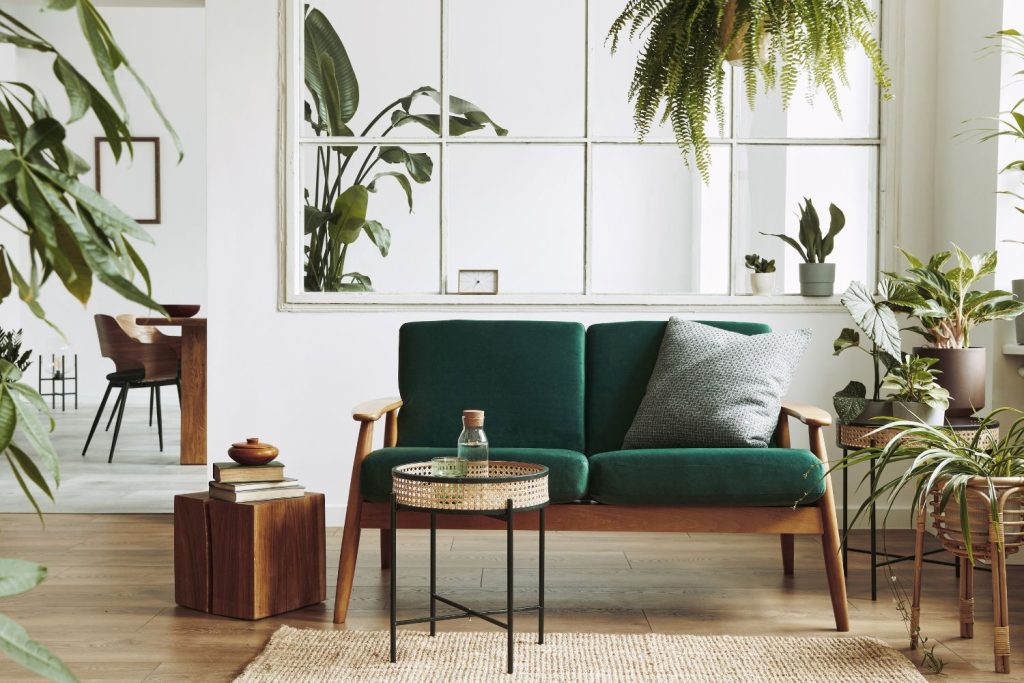
This is often the heart of the home. Keep furniture away from the walls to create a conversation area. Use neutral throw pillows and rugs to add texture without being distracting.
-
The Kitchen:
Clear everything off the counters except for maybe one high-end appliance or a bowl of fresh fruit. A clean, spacious kitchen is a major selling point in any American neighborhood.
-
The Master Bedroom:
Create a hotel-like feel with crisp white linens and symmetrical nightstands. Remove personal items like family photos to help the buyer focus on the room itself.
-
The Bathroom:
Invest in new, fluffy white towels and a fresh shower curtain. Ensure every surface is scrubbed until it shines, as cleanliness is a form of staging.
Decluttering Before Selling
One of the most important decluttering tips is to remember that less is always more. A cluttered home feels small and neglected, which can immediately turn off a buyer. Decluttering before selling allows you to show off the actual storage space available in closets and cabinets.
Start by removing about fifty percent of your decorative items. Bookshelves should have plenty of open space, and countertops should be mostly bare. This process helps with buyer appeal because it removes the “noise” of your daily life.
Pack away seasonal clothing, toys, and excessive kitchen gadgets. Not only does this make your home look bigger, but it also gives you a head start on your move. Buyers will often open closets to check for space, so keeping these areas organized is a critical part of staging a house for sale.
Interior Improvements That Attract Buyers
You do not need a massive renovation budget to make a big impact. Small interior improvements can significantly increase the perceived value of your home.
-
Paint:
A fresh coat of neutral paint is the best investment you can make. Shades of light gray, beige, or off-white make rooms feel larger and brighter.
-
Lighting:
Replace dated light fixtures with modern, simple options. Make sure every bulb in the house is working and use the highest allowable wattage to brighten dark corners.
-
Flooring:
If your carpets are stained, have them professionally cleaned. If your hardwood floors are scratched, a quick polish can restore their luster.
-
Hardware:
Swapping out old cabinet knobs and door handles for brushed nickel or matte black versions can modernize a kitchen or bathroom instantly.
These pre-sale home preparation steps ensure that your home looks updated without the cost of a full remodel. Buyers appreciate a home that looks well-maintained and ready for move-in day.
Virtual vs. Physical Home Staging
In the modern digital age, sellers now have the option between virtual and physical staging. Physical staging involves renting furniture and decor to place inside the actual house. This is highly effective for an open house because buyers can physically experience the flow of the rooms.
Virtual staging uses software to add furniture to photos of an empty home. This is a cost-effective way to improve your real estate photography for online listings. It helps buyers understand the scale of a room when they are scrolling through websites.
While virtual staging is great for getting people through the door, physical staging often provides a stronger emotional impact during the tour. If you are selling a vacant property, at least staging the main living areas physically can prevent the house from feeling cold or small. Both methods aim to boost buyer appeal and help you sell your property quickly.
FAQ
1. What rooms should be prioritized when staging a home?
The living room, kitchen, and master bedroom should always be your top priorities. These are the rooms where buyers spend the most time and where they form their strongest emotional opinions about the property.
2. Does professional staging help homes sell faster?
Yes, statistics frequently show that staged homes sell significantly faster than non-staged homes. Staging helps the property look “move-in ready,” which is a major draw for the average American buyer.
3. How can decluttering improve buyer interest?
Decluttering makes a home look larger and cleaner. It allows buyers to focus on the architectural features and the potential of the space rather than your personal belongings or messes.
4. Is staging necessary for vacant homes?
Staging is actually more important for vacant homes. Empty rooms can look smaller than they really are, and it is difficult for buyers to understand the scale of the space without furniture for reference.
5. Can staging influence a buyer’s first impression online?
Absolutely. Most buyers find their homes online first. High-quality staging ensures your real estate photography looks professional, which encourages more people to schedule a physical tour.
Conclusion
Staging is more than just decorating; it is a powerful marketing tool that can change the way people see your property. By focusing on neutral designs, removing clutter, and making smart interior improvements, you create an environment that appeals to the buyer’s imagination. A well-presented home suggests a well-cared-for home, which builds trust and encourages higher offers.
If the thought of staging and preparing your home for the market feels overwhelming, there are other paths you can take. You can choose to bypass the traditional listing process entirely and work with Homes For Cash Guys. We buy homes in their current condition, meaning you do not have to worry about cleaning, decluttering, or expensive repairs. We provide a simple, stress-free way to sell your property fast without the hassle of an open house. Contact us today to see how we can help you move on to your next adventure without worrying about how to stage your home for sale.
Read Similar: How to Sale a Home Fast?